
Public: When You Become a Mother and Suddenly Don’t Know Who You Are Anymore
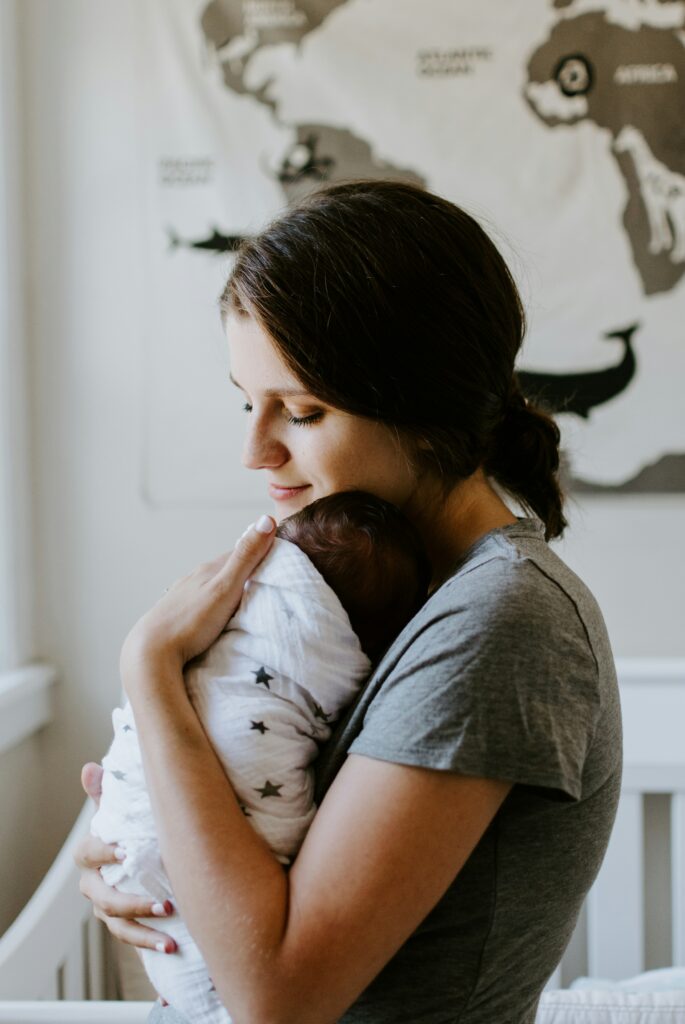
When You Become a Mother and Suddenly Don’t Know Who You Are Anymore
There is a strange contradiction in becoming a parent, especially a mother. You can love your baby more than you knew it was possible to love another human being and, at the exact same time, deeply miss the person you used to be. And then you feel guilty for missing her.
Before becoming a mother, you had an identity built over years. You had routines, relationships, ambitions, hobbies, a career, a body you recognized, and some reasonable amount of control over your day. Then you have a baby, and almost everything changes.
Everyone celebrates the arrival of this beautiful new human being, but we don’t talk nearly enough about the other enormous transition happening at the same time. A new version of you is being born, too. Unlike your baby, who everyone expects to need time to learn everything, mothers often feel enormous pressure to somehow know how to do this immediately.
The Disorientation of Becoming Someone New
As a therapist, I think one of the most difficult parts of new parenthood is how easily we interpret completely understandable feelings as evidence that something is wrong with us. Why don’t I feel like myself? Why am I so overwhelmed? Why do I miss my old life? Why am I lonely when I’m never alone? Why am I resentful toward my partner?
And perhaps the most painful question is, I love and wanted this baby so badly, so why am I struggling so much?
Wanting your child and struggling with motherhood are not opposites. You can be profoundly grateful, completely in love, and desperately exhausted. You can adore your baby and want three hours alone. You can love being a mother and miss your freedom. You can appreciate your partner while also feeling disappointed or resentful. Opposing feelings can be true at the same time.
The Loneliness Nobody Warns You About
New motherhood can be incredibly lonely in a way that is difficult to describe until you experience it. Ironically, you may spend less time physically alone than ever before. Someone is constantly touching you, needing you, crying for you, eating from you, sleeping on you, or waiting for you. But being needed isn’t the same thing as being known.
Friendships change. Your relationship changes. Work may temporarily disappear. Activities that made you feel connected to yourself become harder to access. Meanwhile, the rest of the world keeps moving. People go to work, friends make plans, and your partner may return to a familiar routine.
Everyone asks about the baby. How are they sleeping? Are they eating? Are they smiling yet? And sometimes you quietly wonder, Does anyone remember to ask how I am?
Sleep Deprivation Changes Everything
It is difficult to understand the psychological impact of chronic sleep deprivation until you have lived it. When you’re exhausted, everything gets louder. Small problems feel enormous, decisions feel impossible, your patience shrinks, and anxiety gets louder. You forget words, lose things, and sometimes cry unexpectedly.
Every little sound your baby makes can activate your nervous system, yet while completely exhausted, you are still responsible for endless decisions. Did they eat enough? Are they sleeping enough? Is this normal? Are they too hot? Am I holding them enough? Should I wake them or let them sleep? The mental and emotional load can feel relentless.
And Then Comes the Guilt
Motherhood seems to come with an extraordinary capacity for guilt. You feel guilty for working, then guilty for wanting to work. Guilty for leaving the baby, then guilty for wanting someone else to take the baby. Guilty for being frustrated, scrolling on your phone, or not appreciating every moment because someone inevitably reminds you, “It goes so fast.”
You may even feel guilty for grieving your old life because you know how fortunate you are to have this one. But gratitude does not require pretending something isn’t difficult, and loving your child does not require erasing yourself.
You Didn’t Disappear
One of the most important things I wish more mothers heard is this, you haven’t lost yourself, your identity is reorganizing. Becoming a parent is an enormous psychological transition. Your priorities, relationships, body, responsibilities, sense of time, and understanding of love and vulnerability can all change.
Of course you feel disoriented. You are trying to integrate an entirely new identity, mother, into every identity that existed before it, while simultaneously learning how to be a mother. The goal does not have to be getting back to exactly who you were before your baby. She is still there, but you are also becoming someone new.
Slowly, pieces return. You drink your coffee while it’s still hot. You exercise again. You have dinner with a friend and talk about something other than children. You return to work and remember that you are really good at something. Little by little, the unfamiliar becomes familiar.
You Are Allowed to Exist Outside of Motherhood
Your child does not need you to stop being a person in order to be a good mother. You are allowed to want things, have ambitions, want privacy, miss having time to yourself, and feel frustrated when the caretaking burden feels unequal. You are allowed to need help, and you are allowed to ask for more.
Changing the Way We Talk to Ourselves
In Cognitive Behavioral Therapy, we often talk about how our thoughts influence our feelings, which influence our behaviors. When we automatically judge ourselves or tell ourselves we are failing, we add even more suffering to an already difficult experience.
Motherhood gives us countless opportunities for these thoughts. I should be better at this. Other mothers can handle this. I shouldn’t need a break. I should be enjoying this more.
Learning to notice those thoughts without automatically believing them can be powerful. Instead of, I shouldn’t be struggling, perhaps the thought becomes, Of course this is hard, I have never done this before. The way we speak to ourselves matters, particularly when we are already carrying exhaustion, guilt, anxiety, anger, loneliness, and shame.
Give Yourself the Compassion You Give Your Baby
We give babies enormous amounts of grace while they adjust to the world. They cry, struggle, wake constantly, become overwhelmed, and need reassurance. We don’t look at them and think, You really should have figured this out by now. Mothers deserve some of that same compassion.
You are learning too. You are learning your baby, your relationship, and your body again. You are learning how to ask for help, tolerate uncertainty, divide your attention, and live in a world where your heart suddenly exists partially outside of your body.
You are learning how to be someone’s mother while simultaneously figuring out who you are now. Give yourself time to meet her.
If you are struggling with the transition into motherhood and would like support from a therapist, visit HigherSightsCounseling.com.
Be the first to comment